Care

Ovatient CEO Michael Dalton recommends that states use Rural Health Transformation Program money to move beyond hospital-centric care models and supplement local health services with virtual-first primary and specialty care.
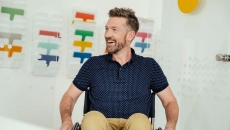
Funded by the Queensland government, a University of Queensland project is developing a VR program for practising safe falls for the first time among patients with spinal cord injury.

Also, Wellumio has received $4 million in pre-Series A funding to further develop its portable, AI-augmented brain scanner.
Also, an Indian sleep tech startup is headingo the United States after raising $3 million in seed funding.

General Catalyst's Dr. Stephen Klasko discusses his keynote at the Smart Health Transformation Preconference Forum at HIMSS26, where he'll outline how healthcare can become truly patient-centered by being "tailored to the individual, and made swift."
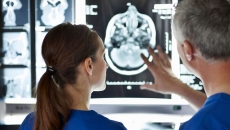
A neurologist's startup has developed a foundation model, based on 60,000 hours of brain wave records, which reportedly achieved 95% accuracy in identifying epilepsy biomarkers.
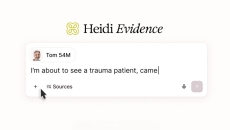
Rivalling OpenEvidence and DoxGPT, Heidi’s latest offering, Heidi Evidence, sets itself apart by allowing clinicians to upload their own sources and documents.

Physicians tell Dr. Amy Bucher they feel a sense of empowerment in being able to offer patients something that, along with lifestyle changes, reduces weight, lowers the risk of diabetes and high blood pressure, and helps prevent other chronic conditions.

Shannon Kennedy, healthcare innovation, technology chair and senior executive fellow at The Digital Economist, previews her upcoming HIMSS26 immersive workshop.
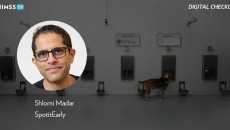
Shlomi Madar, CEO of SpotitEarly, discusses the company's noninvasive test using a breath sample, which is analyzed by specially trained dogs capable of identifying unique cancer-related scent signatures combined with AI technology.